Why sardines deserve a spot on your plate (the anti-inflammatory power of tinned fish)
Tinned fish often gets overlooked. It feels a bit… old-fashioned. But nutritionally? It’s one of the most underrated anti-inflammatory foods you can eat — especially when we’re talking about sardines.
When chosen well and eaten regularly (even once a week), sardines can have a meaningful impact on energy, inflammation, hormones, and brain health.
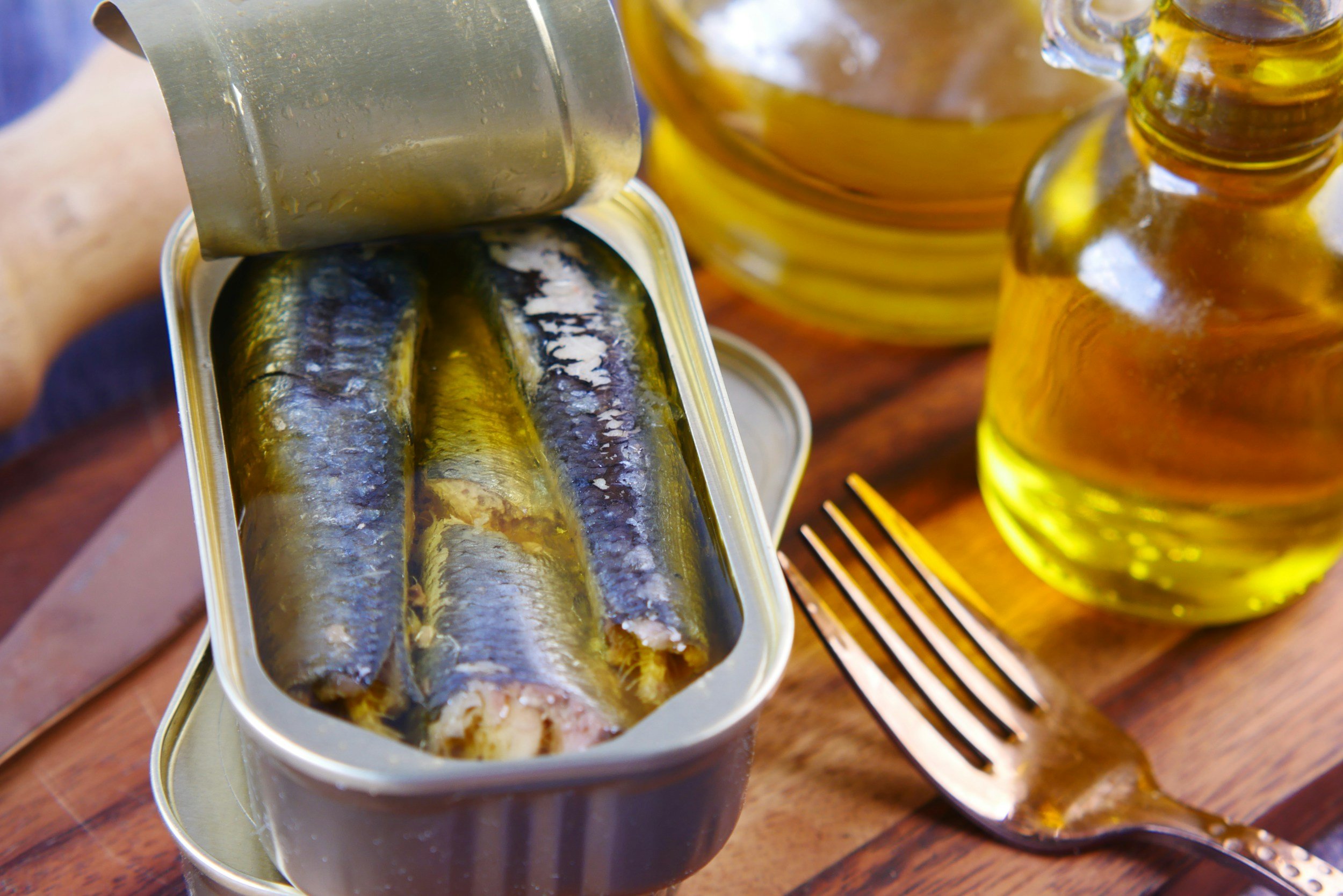
Why Omega-3s Matter (and Why Most People Are Low)
Omega-3 fats are essential. Your body can’t make them, so they must come from food.
They help to:
Reduce inflammation
Support brain function and mood
Improve heart health
Support hormone balance
Help with joint pain and stiffness
The problem?
Most people eat far more omega-6 fats (from seed oils and ultra-processed foods) than omega-3s — which drives inflammation.
Sardines are one of the easiest and most affordable ways to tip that balance back in your favour.
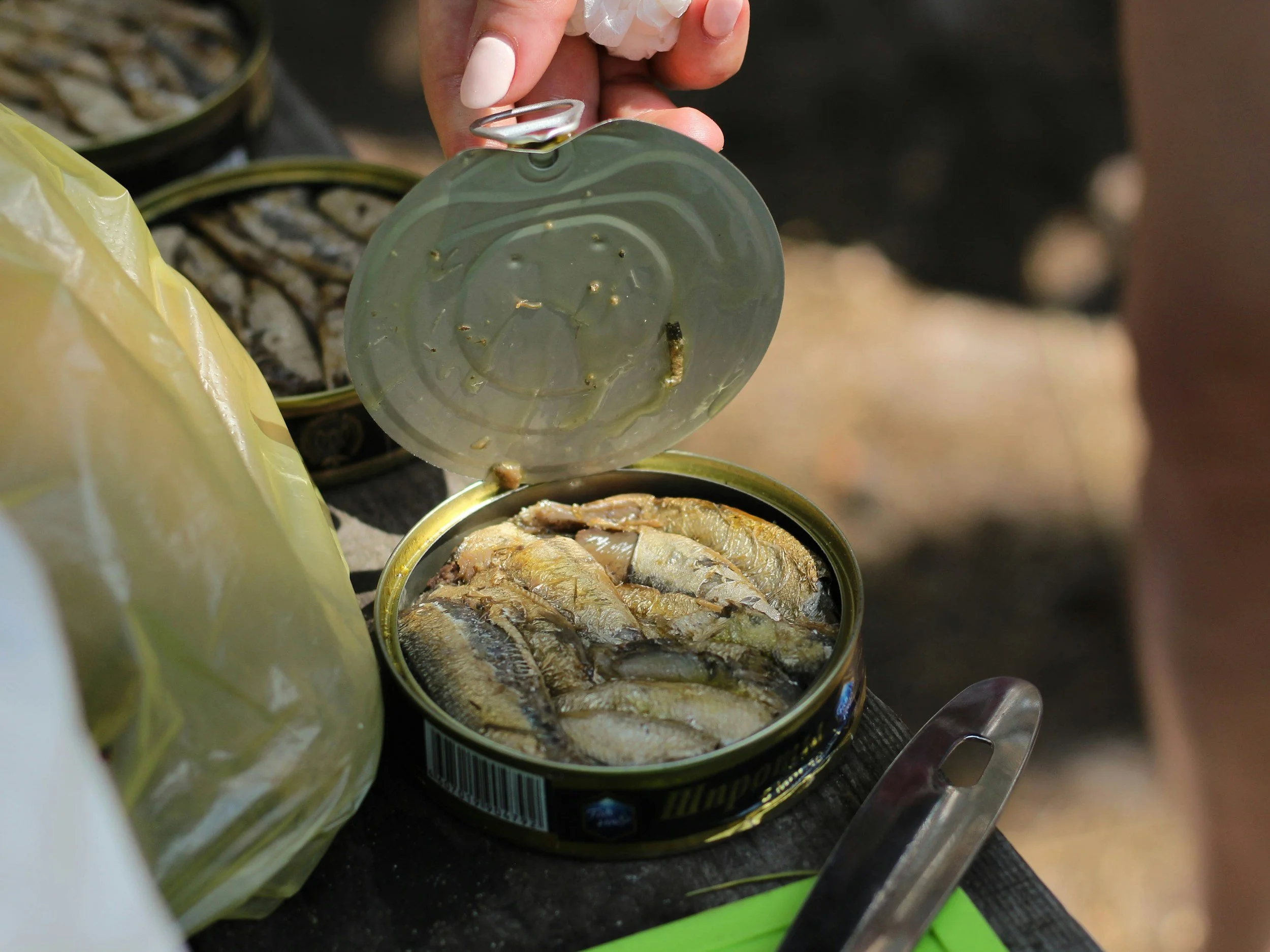
Benefits of Sardines (Small Fish, Big Impact)
Sardines punch well above their weight nutritionally:
Rich in omega-3 fats (EPA & DHA) – highly anti-inflammatory
High-quality protein – supports blood sugar, energy, and satiety
Natural source of vitamin B12 – essential for energy, nervous system, and brain health
Calcium-rich (if you eat the bones) – great for bone health
Low on the food chain – meaning they accumulate fewer toxins than larger fish
Because they’re small and short-lived, sardines are generally safer and cleaner than bigger oily fish like tuna.
The Pros and Cons of Tinned Fish
The Benefits
Convenient and affordable
Long shelf life
No prep required
Nutrient-dense protein source
Easy way to boost omega-3 intake
The Cons (and How to Avoid Them)
Not all tinned fish is created equal.
1. Seed oils are a problem
Many tins are packed in sunflower, soybean, or rapeseed oil. These oils are:
High in omega-6
Pro-inflammatory
Easily oxidised
👉 Best choice: sardines in spring water or olive oil
2. Aluminium leaching
Some tins contain aluminium linings, which can leach into food over time — especially with acidic contents.
👉 What to do:
Choose brands that state BPA-free lining
Rotate foods — don’t rely on tinned fish daily
Once a week is a great rhythm
This keeps exposure low while still getting the benefits.

Is Eating Sardines Once a Week Enough?
Yes — once a week can genuinely help.
You don’t need perfection or daily fish consumption. One good-quality tin of sardines weekly can:
Improve omega-3 status over time
Support inflammation reduction
Add variety without overwhelm
Consistency beats intensity.
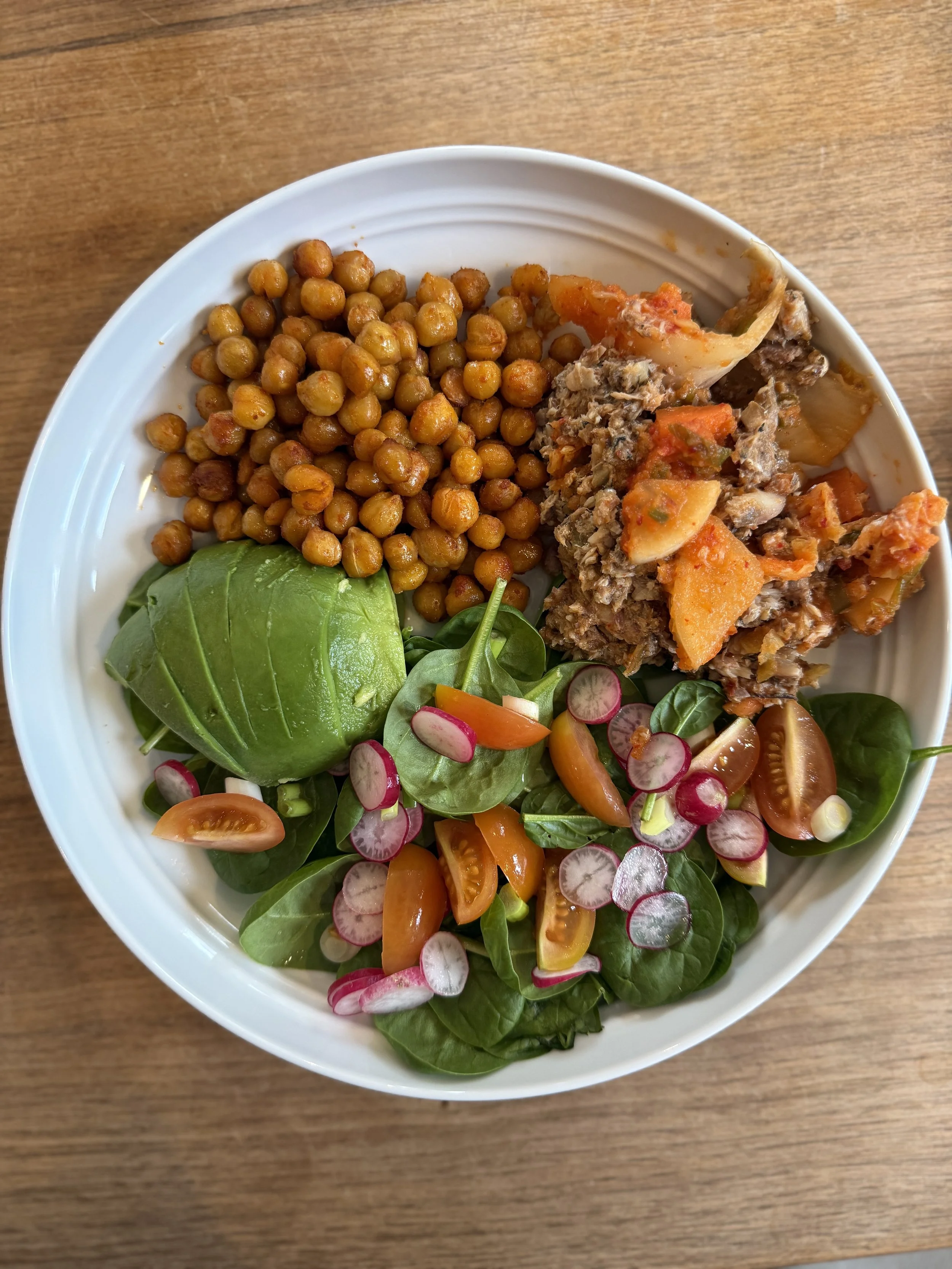
A Simple, Balanced Sardine Meal
Here’s an example of a balanced, anti-inflammatory meal that works beautifully:
Paprika baked chickpeas
Fresh salad: spinach, tomato, spring onion, radish
½ avocado
One tin of sardines
Mixed with chunky hot kimchi
Why this works:
Protein + fats from sardines support satiety and blood sugar
Omega-3s counter inflammation
Avocado adds potassium and healthy fats
Kimchi supports gut health and digestion
Vegetables provide fibre and phytonutrients
It’s quick, nourishing, and realistic — no fancy cooking required.
Shop the ingredients (UK)
This page contains affiliate links. I only recommend products I use and trust. As an Amazon Associate I earn from qualifying purchases.